
# كم تبلغ تكلفة تطوير تطبيق جوال في الإمارات؟ (دليل الأسعار لعام 2026)
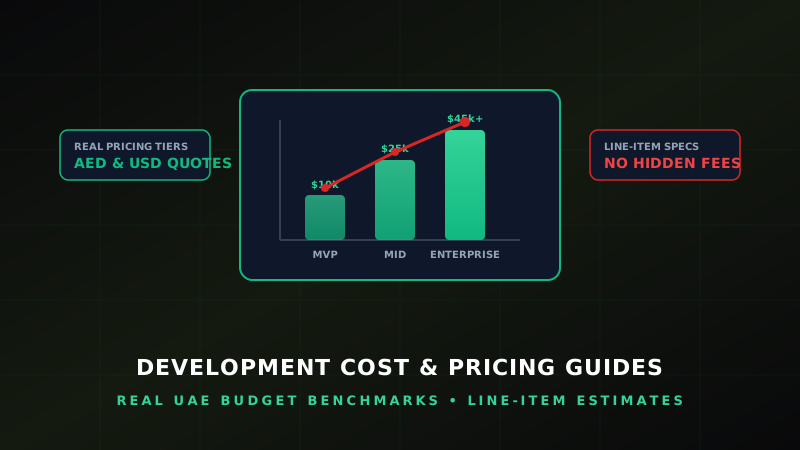
خلاصة سريعة: توقّع ما بين 18,000 و110,000 درهم إماراتي (حوالي 5,000–30,000 دولار) لتطبيق MVP بسيط، وما بين 110,000 و370,000 درهم (حوالي 30,000–100,000 دولار) لتطبيق متوسط المستوى يشمل المدفوعات والتكاملات، وما بين 370,000 درهم إلى أكثر من 1.5 مليون درهم (100,000–400,000 دولار فأكثر) لمنصة بمستوى المؤسسات — قبل إضافة رسوم متاجر التطبيقات وضريبة القيمة المضافة والصيانة المستمرة.
إذا طلبت عرض أسعار من ثلاث وكالات في دبي وحصلت على ثلاثة أرقام متباينة تمامًا، فأنت لست الوحيد. عبارة "ابنِ لي تطبيقًا" ليست سعرًا محددًا — بل نطاق يمتد من نموذج أولي بلا برمجة (no-code) في أسبوعين إلى منصة تقنية مالية متكاملة على مدى اثني عشر شهرًا مع تحقق بيومتري من الهوية (KYC). يفكك هذا الدليل ما يحرك التكلفة فعليًا في السوق الإماراتية تحديدًا، مع نطاقات حقيقية بالدرهم والدولار، والضرائب المحلية وتكاليف الامتثال التي تتجاهلها الأدلة العامة، ومثال واقعي واحد لمقارنة تقديرك به.
لماذا تختلف الأسعار في الإمارات عن أدلة "المتوسط العالمي"
معظم مقالات تكلفة التطبيقات تستشهد بأسعار أمريكية أو أوروبية غربية وتتوقع أن تنطبق مباشرة. لكنها لا تنطبق، لأسباب خاصة بالإمارات:
- دعم اللغة العربية من اليمين إلى اليسار (RTL) ليس اختياريًا في كثير من التطبيقات. التخطيط من اليمين إلى اليسار، والطباعة العربية، وإدارة المحتوى ثنائي اللغة تضيف وقت هندسة حقيقي — وهذا عامل تكلفة يُذكر باستمرار في تفصيلات الأسعار المحلية للإمارات، وليس مجرد ميزة إضافية.
- القطاعات الخاضعة للتنظيم تحمل علاوة سعرية حقيقية. تطبيقات التقنية المالية والرعاية الصحية والتأمين العاملة وفق قواعد مصرف الإمارات المركزي أو هيئة الصحة بدبي (DHA) أو دائرة الصحة (DoH) تشهد عادة ارتفاعًا في التكلفة بنسبة 30–50% مقارنة بتطبيق مماثل غير خاضع للتنظيم، بسبب مراجعات الامتثال وعمليات تدقيق الأمن ومتطلبات التعامل مع البيانات.
- تسعير المواهب البرمجية منقسم بشكل واضح. تضم دبي أسواق العمل الحر ووكالات بمستوى المؤسسات جنبًا إلى جنب، والفجوة بينهما أكبر مما هي عليه في معظم المراكز الغربية (المزيد عن الأسعار أدناه).
- الهيكلة الضريبية والمناطق الحرة تؤثر على الفاتورة، لا على عملية البناء فقط. المزيد عن هذا لاحقًا.
نطاقات الأسعار: MVP مقابل المستوى المتوسط مقابل المؤسسات
تعكس هذه النطاقات ما تتفق عليه عدة مصادر إماراتية لعام 2026 بخصوص تطبيق واحد أصلي أو متعدد المنصات (iOS + Android)، شاملًا التصميم وضمان الجودة، قبل الصيانة المستمرة.
| المستوى | النطاق بالدرهم الإماراتي | النطاق بالدولار الأمريكي | ما الذي تحصل عليه فعليًا |
|---|---|---|---|
| MVP / الشركات الناشئة | 18,000 – 110,000 درهم | 5,000 – 30,000 دولار | مسار وظيفي أساسي واحد، مصادقة بسيطة، 5–10 شاشات، منصة واحدة أو بناء بسيط متعدد المنصات، خلفية برمجية (backend) محدودة، وغالبًا ما يُبنى لاختبار فرضية قبل جمع التمويل |
| المستوى المتوسط / الشركات الصغيرة والمتوسطة | 110,000 – 370,000 درهم | 30,000 – 100,000 دولار | 15–25 شاشة، مصادقة حقيقية، تكامل بوابة دفع، لوحة تحكم إدارية، عدد من التكاملات مع أطراف ثالثة (خرائط، إشعارات فورية، إدارة علاقات العملاء) — وهنا تقع معظم تطبيقات الإنتاج للشركات الصغيرة والمتوسطة في دبي |
| المؤسسات | 370,000 – 1,500,000+ درهم | 100,000 – 400,000+ دولار | بنية خلفية مخصصة، صلاحيات متعددة الأدوار، امتثال تنظيمي (تقنية مالية/صحية)، تكاملات متقدمة (تخطيط موارد المؤسسات ERP، تنسيق المدفوعات، تحقق بيومتري من الهوية)، بنية تحتية قابلة للتوسع، اختبار جودة وأمن مخصص |
نموذج ذهني مفيد: تستهلك الخلفية البرمجية والتطوير الأساسي عادة 25–35% من الميزانية الإجمالية — وهي غالبًا أكبر بند منفرد، متقدمة على تصميم الواجهة أو عمل الواجهة الأمامية، لأنها المكان الذي تعيش فيه المصادقة ونمذجة البيانات وتكاملات الأطراف الثالثة ومنطق الأعمال جميعًا.
ما الذي يدفعك إلى أعلى النطاق
- iOS أصلي و Android أصلي (مقابل قاعدة كود واحدة متعددة المنصات بـFlutter أو React Native)
- ميزات لحظية (دردشة، تتبع مباشر، مزايدة حية)
- معالجة دفع تتجاوز بوابة واحدة (عملات متعددة، مدفوعات مقسّمة، محافظ إلكترونية)
- بنية تعمل دون اتصال بالإنترنت أولًا (offline-first)
- لوحات تحكم إدارية بصلاحيات وصول دقيقة قائمة على الأدوار
- عمق واجهات برمجة تطبيقات (API) لأطراف ثالثة (ERP، أنظمة نقاط البيع، التحقق من الهوية الحكومية، اللوجستيات)
مثال محلي واقعي لمقارنة تقديرك به
تُعد كريم — تطبيق طلب الركوب الذي تأسس في دبي والآن مملوك لأوبر — أكثر مرجع إماراتي يُستشهد به عندما تقدّر الوكالات "ابنِ لي شيئًا مثل هذا". تضع التقديرات المستقلة لتكلفة بناء تطبيق طلب ركوب مماثل لكريم لعامي 2025–2026 (تطبيق الراكب، تطبيق السائق، خلفية توزيع الرحلات، المدفوعات، التتبع المباشر) النطاق عند نحو 30,000–300,000 دولار، حسب عمق الميزات، وتغطية المنصات، وما إذا كنت تبني نسخة MVP أولية أم نظام توزيع رحلات بمستوى إنتاج كامل. هذا النطاق — لا رقم واحد — هو الإجابة الصادقة، وهو يتوافق مباشرة مع نطاقات MVP إلى المؤسسات أعلاه: سوق ثنائي الأطراف بسيط مع حجز أساسي يقع بالقرب من الطرف الأدنى، بينما محرك توزيع رحلات لحظي بمستوى كريم مع ملاحة لجانب السائق، ومدفوعات داخل التطبيق، ومنطق تسعير الذروة يقع في الأعلى.
الدرس هنا ليس "تطبيقات طلب الركوب تكلف X دولار". بل إن نطاق الميزات، لا فئة التطبيق، هو ما يحرك السعر — يمكن لتطبيق حجز بسيط ومنصة لوجستية لحظية أن يُوصَفا كلاهما بأنهما "تطبيق مثل كريم" ويختلفا في التكلفة بمقدار 10 أضعاف.
عوامل تكلفة محلية تغفلها الأدلة العامة
ضريبة القيمة المضافة (5%)
يبقى معدل ضريبة القيمة المضافة القياسي في الإمارات 5% في عام 2026، دون تغيير منذ تطبيقها في 2018 — لكن يناير 2026 شهد تعديلات بموجب المرسوم بقانون اتحادي رقم (16) لسنة 2025 تشدد قواعد إصدار الفواتير والاسترداد والتحقق من الموردين بالنسبة للشركات المسجلة في ضريبة القيمة المضافة. إذا كانت وكالة التطوير الخاصة بك مسجلة في الإمارات (وهو إلزامي بمجرد تجاوز الإيرادات 375,000 درهم سنويًا)، فإن نسبة الـ5% تلك تُضاف إلى فاتورتك فوق تكلفة البناء المعروضة — ضعها في الميزانية صراحة بدلًا من اكتشافها عند التوقيع.
الامتثال لقانون حماية البيانات الشخصية (PDPL)
إذا كان تطبيقك يجمع أو يخزّن أو يعالج بيانات شخصية لمقيمين في الإمارات، فإنه يخضع لـالمرسوم بقانون اتحادي رقم 45 لسنة 2021 (قانون حماية البيانات الشخصية الإماراتي)، الذي يفرضه مكتب البيانات الإماراتي. عمليًا، هذا يعني:
- تدفقات موافقة صريحة وقابلة للسحب لجمع البيانات (وليس مربع اختيار مخفي)
- تقليل البيانات — جمع ما تحتاجه الميزة فعليًا فقط
- قيود على النقل عبر الحدود — لا يمكن نقل البيانات خارج الإمارات إلا إلى ولايات قضائية توفر حماية كافية، أو بموجب ضمانات معتمدة
- تقييم أثر حماية البيانات (DPIA) قبل إطلاق ميزات تشمل الذكاء الاصطناعي أو التنميط أو معالجة البيانات على نطاق واسع
لا شيء من هذا غريب، لكنه يستغرق وقتًا هندسيًا ومراجعة قانونية غالبًا ما لا يُدرجه عرض سعر عام لـ"بناء تطبيق" كبند منفصل. بالنسبة لتطبيق في الرعاية الصحية أو التقنية المالية أو الموارد البشرية، توقّع أن يكون العمل على قانون حماية البيانات الشخصية بندًا حقيقيًا في الميزانية، لا أمرًا ثانويًا.
رسوم متاجر التطبيقات والتوزيع
من السهل نسيانها ومن الصعب تجنبها: يكلف برنامج مطوري آبل 99 دولارًا سنويًا، بينما تفرض جوجل بلاي رسم تسجيل لمرة واحدة قدره 25 دولارًا. وبعد التسجيل، تأخذ كلتا المنصتين عمولة 15% من إيرادات المشتريات داخل التطبيق حتى مليون دولار سنويًا (30% فوق هذا الحد، مع بعض الاستثناءات لفئات الاشتراك). إذا كان تطبيقك يحقق إيرادات عبر المشتريات داخل التطبيق، ضع هذا في حسابات اقتصاديات الوحدة منذ اليوم الأول — فهي ليست تكلفة تطوير، لكنها تكلفة حقيقية للإطلاق في الإمارات (أو في أي مكان).
أسعار المواهب في السوق الإماراتية
تتراوح أسعار المطورين المستقلين في دبي لعام 2026 تقريبًا كالتالي:
- مبتدئ: 100–175 درهم/ساعة (27–48 دولارًا)
- متوسط الخبرة: 175–300 درهم/ساعة (48–82 دولارًا)
- خبير: 300–500+ درهم/ساعة (82–136+ دولارًا)
تسعّر الوكالات عادة أعلى من الحد الأقصى لهذا النطاق للساعة الواحدة، لكنها تدمج إدارة المشروع وضمان الجودة والتصميم ضمن السعر — وهذا سبب ندرة تطابق عرض سعر وكالة مع مجموع ساعات مطور مستقل، حتى لنفس "النطاق". قد يبدو المطور المستقل أرخص للساعة لكنه قد يكلف أكثر إجمالًا بمجرد احتساب وقتك الخاص المستهلك في التنسيق وإعادة الشرح.
تكاليف مستمرة لا يضعها أحد في الميزانية
البناء تكلفة لمرة واحدة، أما تشغيل التطبيق فلا. خطط لما يلي:
- الصيانة والتحديثات: يُذكر عادة أنها 15–20% من تكلفة البناء الأولية سنويًا — تحديثات نظام التشغيل، وإصلاح الأخطاء، وترقية التبعيات، والتصحيحات الأمنية لا تتوقف بعد الإطلاق.
- الاستضافة والبنية التحتية: تكاليف الاستضافة السحابية وشبكة توصيل المحتوى (CDN) وتوسيع الخلفية البرمجية التي تنمو مع قاعدة مستخدميك.
- رسوم واجهات برمجة التطبيقات وخدمات الأطراف الثالثة: الخرائط، وخدمات الإشعارات الفورية، وبوابات الدفع، ومزودو الرسائل النصية/رمز التحقق لمرة واحدة (OTP) يفوترون عادة حسب الاستخدام.
- دورات إعادة مراجعة متاجر التطبيقات: كل تحديث كبير يمر عبر مراجعة آبل/جوجل مجددًا، وهذا يؤثر على وتيرة الإصدار لا على التكلفة مباشرة، لكن يستحق التخطيط له.
كيف تضع ميزانية تطبيقك فعليًا
1. دوّن 3–5 أمور يجب أن يقوم بها التطبيق منذ اليوم الأول — وليس قائمة الأمنيات. توسع النطاق هو السبب الأكبر لتضخم عروض الأسعار في منتصف المشروع.
2. قرر بصدق بين نسخة MVP وبناء الإنتاج. توجد نسخة MVP للتحقق من فرضية بتكلفة منخفضة؛ لا تفرط في تجويدها، ولا تُقلل من نطاق تطبيق إنتاجي يحتاج إلى الاحتفاظ ببيانات مستخدمين حقيقية بأمان.
3. اطلب من كل عرض سعر تفصيل الخلفية البرمجية والواجهة الأمامية والتصميم وضمان الجودة والامتثال بشكل منفصل. المبلغ الإجمالي الواحد يجعل من المستحيل مقارنة الوكالات أو معرفة إلى أين تذهب الأموال فعليًا.
4. أكّد في العقد من يتحمل مسؤولية الامتثال لقانون حماية البيانات الشخصية وضريبة القيمة المضافة. بعض الوكالات تُدرج الامتثال افتراضيًا؛ وأخرى تعامله كأمر تغيير لاحق — اعرف أيهما قبل التوقيع.
5. ضع الصيانة في الميزانية منذ السنة الأولى، لا كتجديد مفاجئ.
الفرق التي تزن بين البناء الداخلي، أو توظيف مستقلين، أو العمل مع وكالة غالبًا ما تستقر على نموذج هجين: فريق متخصص للبناء الأولي والهندسة المعمارية، مع عقد صيانة أخف بعد الإطلاق. إذا كنت تحدد نطاق مشروع وتريد رأيًا ثانيًا حول أين يجب أن يقع تقديرك، يمكن لفريق تطوير تطبيقات الجوال في Wise Hustlers مراجعة قائمة ميزاتك مقابل الأسعار الحالية في الإمارات قبل الالتزام بعرض سعر.
الأسئلة الشائعة
س: ما أرخص طريقة للحصول على تطبيق يعمل في الإمارات؟
ج: يمكن لتطبيق MVP بلا برمجة أو بأدوات منخفضة البرمجة لمسار وظيفي أساسي واحد أن يصل إلى الطرف الأدنى من نطاق 18,000–110,000 درهم، خاصة إذا اقتصرت على منصة واحدة (iOS أو Android) وتجنبت العمل المخصص على الخلفية البرمجية. هذا مناسب للتحقق من فكرة، وليس لمعالجة مدفوعات حقيقية أو بيانات مستخدمين حساسة على نطاق واسع.
س: هل يحتاج تطبيقي إلى الامتثال لقانون حماية البيانات الشخصية إذا كنت شركة ناشئة صغيرة؟
ج: نعم — ينطبق قانون حماية البيانات الشخصية بناءً على البيانات التي تعالجها ومن تخص، لا حجم الشركة. إذا كنت تجمع بيانات شخصية لمقيمين في الإمارات (الأسماء، البريد الإلكتروني، الموقع، تفاصيل الدفع)، تنطبق ممارسات الموافقة الأساسية وتقليل البيانات منذ اليوم الأول، حتى قبل تحقيق إيرادات.
س: هل توظيف مستقل أرخص من التعامل مع وكالة في دبي؟
ج: غالبًا أرخص للساعة، لكن ليس بالضرورة أرخص إجمالًا. تتراوح أسعار المستقلين تقريبًا بين 100–500+ درهم/ساعة حسب الخبرة، لكنك تتحمل إدارة المشروع وضمان الجودة والتنسيق التي تدمجها الوكالة عادة في عرض سعرها. يعمل المستقلون بشكل جيد للمهام الضيقة والمحددة جيدًا؛ بينما تميل الوكالات إلى أن تكون أكثر قابلية للتنبؤ في المشاريع كاملة النطاق.
س: كم يستغرق بناء تطبيق متوسط المستوى في الإمارات، وهل يؤثر الجدول الزمني على التكلفة؟
ج: يستغرق تطبيق متوسط المستوى (15–25 شاشة، مدفوعات، تكاملات) عادة 3–6 أشهر. تزيد الجداول الزمنية المضغوطة التكلفة لأنها تتطلب مزيدًا من المطورين العاملين بالتوازي بدلًا من عمل تسلسلي بفريق أصغر — تسعير "الاستعجال" حقيقي ويستحق السؤال عنه مسبقًا.
المصادر
- Mobile App Development Cost In Dubai, UAE for 2026 — Netguru
- Mobile App Development Cost in Dubai (2026) — GoodFirms
- Mobile App Development Cost in Dubai UAE: 2026 Guide — Decipher Zone
- Mobile App Development Cost Dubai 2026 (Real AED Pricing) — Innovatrix Infotech
- VAT in UAE (2026): 5% Rate, Registration Threshold, Exemptions & Filing Rules — Daftra
- UAE VAT Rates and Compliance (2026) — Numeral
- Guide to the UAE's Personal Data Protection Law — CookieScript
- UAE PDPL: A Comprehensive Guide — CookieYes
- Uber App Development Cost: A Comprehensive Guide (incl. Careem) — Appinventiv
- Super App Development: Cost to Develop a Careem-like App — Apptunix
- Freelance Developer Rates in the UAE (2026) — SoloKit
- Software Engineer Cost in Dubai 2026 — WUZZUFNY
- App Store Fees 2026: The $99 Developer Cost + Hidden Charges — Groovy Web
- The 15% App Store Fee: A Guide for Developers (2026) — RevenueCat