
# تكلفة تطوير البوابات الإلكترونية في الإمارات: التفصيل الكامل
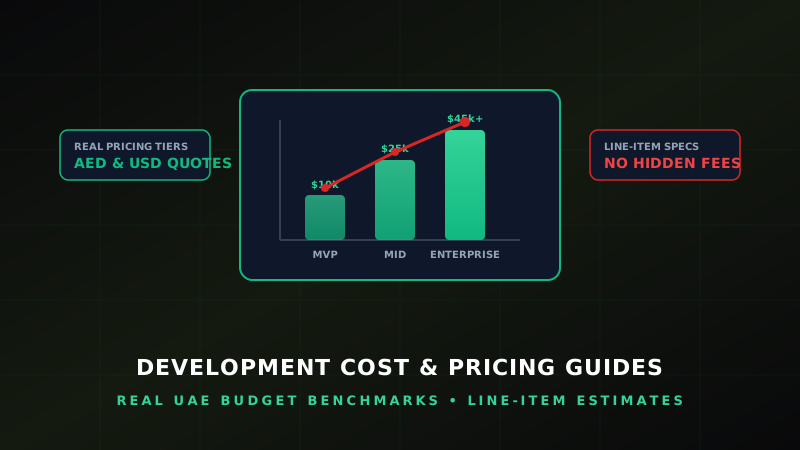
الخلاصة السريعة: تتراوح تكلفة بناء بوابة إلكترونية مخصصة في الإمارات عادة بين 25,000 و90,000 درهم إماراتي للوحة تحكم داخلية أو موجهة للعملاء بمستوى بساطة معين، وبين 100,000 و350,000 درهم لبوابة متوسطة التعقيد بأدوار متعددة، وبين 400,000 و2,000,000 درهم فأكثر لمنصة على مستوى المؤسسات تتضمن تكاملات كثيفة وأتمتة لسير العمل ومتطلبات امتثال — والعامل الأكبر الذي يحدد هذا الرقم ليس التصميم، بل عدد الوحدات (modules) الفعلية التي تحتاجها (المصادقة، الأدوار، المدفوعات، التكاملات، التقارير).
ما الذي يُعتبر "بوابة إلكترونية" (ولماذا يختلف تسعيرها عن تسعير الموقع الإلكتروني)
البوابة ليست موقعًا تسويقيًا أُضيفت له صفحة تسجيل دخول. إنها قطعة برمجية بحد ذاتها: لها أدوار مستخدمين، وبيانات دائمة، وسير عمل (workflows)، وغالبًا ما تتواصل مع أنظمة أخرى (نظام تخطيط موارد مؤسسات ERP، بوابة دفع، واجهة برمجة تطبيقات حكومية، أو قاعدة بيانات قديمة). لهذا السبب لا يشبه تسعير البوابات إطلاقًا تسعير مواقع العرض التعريفية (brochure websites).
وللمقارنة، يتراوح تطوير المواقع الإلكترونية العامة في دبي بين نحو 3,500 درهم لموقع تعريفي أساسي وحتى أكثر من 275,000 درهم لأكثر التصاميم المخصصة تعقيدًا، وفقًا لأدلة التسعير الصادرة عام 2026 عن وكالات محلية (Element8، Codingclave). وتقع البوابات في الطرف الأعلى من هذا النطاق، بل وتتجاوزه غالبًا، لأن الموقع المبني على نظام إدارة محتوى (CMS) هو في معظمه عمل واجهة أمامية (front-end)، بينما البوابة تطبيق يعتمد بشكل كبير على الواجهة الخلفية (back-end): المصادقة، والتحكم في الوصول القائم على الأدوار (RBAC)، ومخطط قاعدة بيانات يجب أن يصمد لسنوات من التغيير، وتكاملات لا يحتاجها موقع ثابت إطلاقًا.
وهذا أيضًا سبب اختلاف الإجابة اختلافًا كبيرًا بين سؤال "كم تكلفة موقع إلكتروني" وسؤال "كم تكلفة بوابة إلكترونية" حتى عند طرحهما على الوكالة نفسها — فالسؤال الثاني يعتمد بشكل شبه كامل على قائمة الوحدات (modules)، وهو ما يفصّله بقية هذا الدليل.
الأرقام الرئيسية: ما تتقاضاه وكالات الإمارات فعليًا
استنادًا إلى أدلة التسعير الحالية في السوق الإماراتية وبطاقات أسعار الوكالات (Decipherzone، ScaleupAlly، Codingclave)، تبدو الفئات العامة على الشكل التالي:
| فئة البوابة | النطاق النموذجي | النطاق بالدرهم الإماراتي | ما يعادله بالدولار الأمريكي |
|---|---|---|---|
| بوابة أساسية | دور واحد، تسجيل دخول + لوحة تحكم، دون تكاملات خارجية | AED 25,000 – 90,000 | ~$6,800 – $24,500 |
| بوابة متوسطة التعقيد | 2–4 أدوار، سير عمل، 1–3 تكاملات، تقارير | AED 100,000 – 350,000 | ~$27,000 – $95,000 |
| بوابة على مستوى المؤسسات | أدوار متعددة، تكامل مع ERP/أنظمة قديمة، امتثال مخصص، توافر عالٍ | AED 400,000 – 2,000,000+ | ~$109,000 – $545,000+ |
تتفاوت الأجور بالساعة في الإمارات تفاوتًا كبيرًا بحسب تركيبة الفريق: تتقاضى الفرق الخارجية أو تلك المتمركزة في جنوب آسيا والعاملة مع وكالة إماراتية معتمدة عادة 65–120 درهمًا في الساعة، بينما يتقاضى المطورون الإماراتيون كبار الخبرة أو الغربيون 200–350 درهمًا في الساعة، مع أسعار وكالات مختلطة (blended) تتراوح غالبًا حول 300–800 درهم في الساعة للفرق التي يقودها كبار المطورين (Decipherzone، Growlio). وبوابة متوسطة التعقيد تُبنى بسعر مختلط يتراوح بين 350–450 درهمًا في الساعة على مدى 600–900 ساعة تطوير تقع بشكل مباشر ضمن نطاق 100,000–350,000 درهم أعلاه — وهذا الحساب متسق عبر المصادر المختلفة، ما يجعله فحصًا منطقيًا مفيدًا عند مقارنة عروض الأسعار.
لا تشمل أي من هذه الأرقام ضريبة القيمة المضافة الإماراتية البالغة 5%، والتي لا تزال تُطبَّق بالمعدل القياسي على خدمات التطوير المفوترة محليًا اعتبارًا من عام 2026، وفقًا للهيئة الاتحادية للضرائب (Daftra) — تأكد دائمًا مما إذا كان عرض السعر شاملًا لضريبة القيمة المضافة قبل مقارنة عرضين.
التكلفة حسب الوحدة (Module): ما الذي تدفع مقابله فعليًا
هذا هو الجزء الذي تتجاهله معظم أدلة التسعير، وهو الجزء الذي يحدد فعليًا قيمة فاتورتك. فيما يلي تفصيل واقعي للوحدات في بوابة إماراتية متوسطة إلى مؤسسية التعقيد، استنادًا إلى أنماط تحديد النطاق (scoping) المعتادة لدى الوكالات الإماراتية والدولية (Shivlab، Monocubed):
| الوحدة | ما تتضمنه | الحصة التقريبية من الميزانية |
|---|---|---|
| المصادقة والتحكم في الوصول القائم على الأدوار (RBAC) | تسجيل الدخول، المصادقة متعددة العوامل (MFA)، سياسات كلمات المرور، مصفوفة الأدوار/الصلاحيات | 8–12% |
| لوحة التحكم الأساسية وهيكل الواجهة | التنقل، التخطيطات، التصميم المتجاوب، مظهر لوحة الإدارة | 10–15% |
| منطق الأعمال / محرك سير العمل | الموافقات، انتقالات الحالة، الإشعارات، سجل التدقيق | 15–20% |
| طبقة البيانات وعمليات الإدارة (CRUD) | مخطط قاعدة البيانات، لوحة الإدارة، الاستيراد/التصدير الجماعي | 10–15% |
| التكاملات مع أطراف ثالثة | ERP، المحاسبة، بوابة الدفع، واجهات برمجة التطبيقات الحكومية/الجمركية | 15–25% |
| المدفوعات والفوترة | تكامل بوابة الدفع، إصدار فواتير متوافقة مع ضريبة القيمة المضافة | 8–12% |
| التقارير والتحليلات | لوحات المعلومات، التقارير القابلة للتصدير، عناصر مؤشرات الأداء الرئيسية | 8–10% |
| الأمن والاختبار والامتثال | اختبار الاختراق، التعامل مع البيانات وفق قانون حماية البيانات الشخصية (PDPL)، دورات ضمان الجودة | 8–12% |
| إدارة المشروع، DevOps، والنشر | إعداد الاستضافة، CI/CD، بيئة الاختبار المرحلي، دعم الإطلاق | 6–10% |
هناك عاملان يدفعان عرض السعر من الحد الأدنى إلى الحد الأعلى لأي فئة: عدد أدوار المستخدمين المختلفة (كل دور يضاعف تقريبًا منطق الصلاحيات وحالات الواجهة)، وعدد الأنظمة الخارجية التي تتكامل معها (كل تكامل هو في جوهره مشروع مصغّر مستقل، لأنك تبني وفق واجهة برمجة تطبيقات لا تملكها أنت).
زاوية محلية: تسعير بوابة لوجستية إماراتية، وحدة تلو الأخرى
لتوضيح الفكرة عمليًا، من المفيد النظر في فئة حقيقية شائعة من البوابات في الإمارات: بوابة عمليات الشحن واللوجستيات، من النوع الذي تستخدمه شركات الشحن، ووسطاء التخليص الجمركي، ومقدمو خدمات الأطراف الثالثة اللوجستية (3PL). ولدى الإمارات بالفعل مثال واسع النطاق على شكل هذه الفئة في أعلى درجات النضج المؤسسي — دبي التجارة (Dubai Trade)، منصة النافذة الواحدة التابعة لموانئ دبي العالمية (DP World)، التي تجمع الخدمات الإلكترونية من DP World والمناطق الاقتصادية العالمية وجمارك دبي، وتتيح لوكلاء الشحن، وشركات الشحن، وشركات النقل البري، والمستوردين إدارة تخليص البضائع والتصاريح وحجز الشاحنات في مكان واحد (DP World، Dubai Trade). وهذه منصة مدعومة حكوميًا وممتدة عبر عقود — وليست ما ستطلبه شركة لوجستية صغيرة أو متوسطة ناشئة — لكنها نقطة مرجعية مفيدة لفئة الوحدات التي تحتاجها بوابة لوجستية، بحجم أصغر.
وتبدو نسخة واقعية لشركة صغيرة أو متوسطة — لنقل شركة شحن مقرها دبي تبني بوابة داخلية وموجهة للعملاء معًا لتحل محل جداول البيانات وتنسيق واتساب — على الشكل التقريبي التالي:
| الوحدة | الوظيفة | التكلفة التقديرية بالدرهم |
|---|---|---|
| تسجيل دخول العملاء والوكلاء (RBAC) | واجهات منفصلة للموظفين الداخليين ووكلاء الشحن والعملاء النهائيين | 15,000 – 25,000 |
| تتبع الشحنات | تحديثات الحالة، تتبع المراحل، رفع المستندات (بوليصة الشحن، الفواتير) | 40,000 – 70,000 |
| وحدة الحجز والجدولة | حجز مواعيد الاستلام والتسليم، مزامنة التقويم | 25,000 – 45,000 |
| إدارة المستندات | المستندات الجمركية، الشهادات، تنبيهات انتهاء الصلاحية، تخزين متوافق مع PDPL | 20,000 – 35,000 |
| الإشعارات | تنبيهات الحالة عبر الرسائل النصية/واتساب/البريد الإلكتروني للعملاء والسائقين | 10,000 – 18,000 |
| الفوترة والمدفوعات | إصدار فواتير متوافقة مع ضريبة القيمة المضافة، تكامل بوابة الدفع | 20,000 – 35,000 |
| لوحة التقارير | أحجام الشحنات، تحليلات التأخير، تقارير لكل عميل | 15,000 – 25,000 |
| لوحة الإدارة وسجل التدقيق | إدارة المستخدمين، تغييرات الصلاحيات، سجلات النشاط | 15,000 – 25,000 |
| ضمان الجودة والأمن والنشر | الاختبار، الاستضافة، الإطلاق | 15,000 – 25,000 |
| الإجمالي | ~AED 175,000 – 303,000 |
يضع هذا الإجمالي المشروع ضمن فئة التعقيد المتوسط من الجدول أعلاه — بما يتسق مع ما تتوقعه لبناء متعدد الأدوار وكثيف التكاملات لكنه ليس بحجم المؤسسات الكبرى. وإذا احتاجت شركة الشحن نفسها لاحقًا إلى تكامل مباشر عبر واجهة برمجة تطبيقات مع جمارك دبي أو نظام دفع بنكي، فقد تضيف وحدة التكامل هذه وحدها ما بين 30,000 و80,000 درهم، لأن واجهات برمجة التطبيقات الحكومية والمصرفية تتطلب عادة مراجعة أمنية إضافية، واختبارًا في بيئة تجريبية (sandbox)، وموافقة امتثال.
وينطبق منطق الوحدات نفسه خارج قطاع اللوجستيات — فبوابة خدمات الأعضاء لجمعية تعاونية، أو بوابة موردين لشركة تصنيع، أو بوابة عملاء لشركة خدمات مهنية، جميعها تتفكك إلى الفئات نفسها: المصادقة، الأدوار، سير العمل الأساسي، التكاملات، المدفوعات، والتقارير. والمتغير دائمًا هو عدد كل منها، ومدى عمق التكاملات.
تكاليف الامتثال التي لا يمكن تجاهلها
هناك بندان خاصان بالإمارات يُقلَّل من شأنهما باستمرار في ميزانيات البوابات:
- قانون حماية البيانات الشخصية PDPL (المرسوم بقانون اتحادي رقم 45 لسنة 2021). القانون الاتحادي الإماراتي لحماية البيانات الشخصية، الساري منذ يناير 2022، ينظّم كيفية جمع وتخزين ومعالجة أي بوابة تتعامل مع بيانات شخصية — سجلات العملاء، بيانات الموظفين، تفاصيل الشحنات المرتبطة بأفراد — لتلك البيانات، ويُرسي حقوقًا لأصحاب البيانات مشابهة للائحة العامة لحماية البيانات الأوروبية GDPR (Securiti). خصص ميزانية لهذا ضمن بند الأمن/الامتثال، لا كفكرة لاحقة.
- الأنظمة الموازية في المناطق الحرة. إذا كانت شركتك (أو شركة عميلك) مسجّلة في مركز دبي المالي العالمي (DIFC) أو سوق أبوظبي العالمي (ADGM)، فإن قانون PDPL الاتحادي لا ينطبق بالكامل — فلدى DIFC قانون حماية البيانات الخاص به رقم 5 لسنة 2020، ولدى ADGM لوائح حماية البيانات الخاصة به لعام 2021، ولكل منهما جهة تنظيمية منفصلة (Recording Law). وقد تحتاج البوابة التي تخدم كيانات في البر الرئيسي وفي المناطق الحرة معًا إلى تلبية نظامين في آن واحد — وهو أمر يستحق طرحه على شريكك التقني قبل بدء تحديد النطاق، لا بعده.
- ضريبة القيمة المضافة بنسبة 5% تُطبَّق على فاتورة التطوير نفسها، وإذا كانت البوابة تُصدر فواتير موجهة للعملاء، فيجب أن تكون تلك الفواتير متوافقة مع ضريبة القيمة المضافة من حيث الشكل، لا المعدل فقط (Daftra).
السعر الثابت مقابل الوقت والمواد: أيهما أقل تكلفة
- السعر الثابت (Fixed-bid) يناسب الحالات التي تُحدَّد فيها قائمة الوحدات أعلاه قبل بدء التطوير — وهو خيار جيد لمثال البوابة اللوجستية للشركات الصغيرة والمتوسطة، حيث يكون النطاق مفهومًا جيدًا.
- الوقت والمواد (T&M) يعمل بشكل أفضل عندما تتوقع أن تتطور قائمة الوحدات (وهو أمر شائع في تكاملات المؤسسات، حيث لا يُعرف السلوك الدقيق لواجهة برمجة تطبيقات نظام قديم إلا بعد بدء مرحلة الاكتشاف).
- تعزيز الفريق (Team augmentation) (توظيف مطورين ضمن عمليتك الخاصة بأجر بالساعة أو الشهر) يميل لأن يكون الأرخص لكل ساعة، لكنه ينقل عبء إدارة المشروع إليك — ولا يستحق ذلك إلا إذا كانت لديك قيادة تقنية داخلية.
تعرض معظم الوكالات الإماراتية سعرًا ثابتًا لأول 2–4 أسابيع (مرحلة اكتشاف/تحديد نطاق، غالبًا بين 8,000 و20,000 درهم)، ثم تنتقل إلى سعر ثابت أو نظام الوقت والمواد للبناء الفعلي، بعد الاستقرار على قائمة الوحدات. ودفع تكلفة مرحلة اكتشاف مناسبة مسبقًا هو غالبًا ما يمنع المشروع من الانزلاق من الميزانية متوسطة الفئة إلى ميزانية فئة المؤسسات في منتصف البناء.
وإذا كنت تحدد نطاق مشروع أقرب إلى طرف المؤسسات — تكامل عميق مع ERP، امتثال متعدد الكيانات، محركات سير عمل مخصصة — فهذا هو نوع البناء الذي صُمِّمت من أجله خدمة تطوير البرمجيات المخصصة من Wise Hustlers: تحديد نطاق قائم على الوحدات مع مرحلة اكتشاف قبل تسعير أي مبلغ ثابت، بدلًا من تقدير واحد يناسب الجميع.
كيف تُخفّض التكلفة دون التضحية بالجودة
1. أطلق مجموعة وحدات الحد الأدنى القابل للتطبيق (MVP) أولًا. المصادقة، وسير عمل أساسي واحد، وتقارير بسيطة — ثم أضف التكاملات في المرحلة الثانية بعد التحقق من الأساس مع مستخدمين حقيقيين.
2. اختر التكاملات بعناية. كل نظام إضافي من طرف ثالث (بوابة دفع ثانية، مزامنة CRM زائدة) يضيف تكلفة بشكل شبه خطي. وحّد ما تستطيع توحيده.
3. استخدم مستويات أدوار، لا تضخيمًا للأدوار. ثلاثة أدوار مصممة جيدًا (مدير، موظف، عميل) تغطي عادة ما تغطيه عشرة أدوار ضيقة التعريف، بجزء بسيط من تكلفة منطق RBAC.
4. افصل التقارير "الجيد أن تتوفر" عن التقارير "الضرورية". لوحات التحليلات المخصصة من أغلى البنود لكل ساعة ميزة، وغالبًا ما يلبي تقرير قابل للتصدير أبسط 80% من الحاجة الفعلية للعمل.
الأسئلة الشائعة
س: ما الحد الأدنى الواقعي لميزانية بوابة إلكترونية مخصصة في الإمارات؟
ج: بالنسبة لبوابة مخصصة فعليًا (وليست مبنية على قالب) تتضمن تسجيل الدخول والأدوار وسير عمل أساسي، توقّع حدًا أدنى يتراوح بين AED 25,000–40,000. وما دون ذلك، غالبًا ما تكون بصدد بناء قائم على قالب مكثف أو بلا كود (no-code) وليس تطويرًا مخصصًا.
س: هل يشمل نطاق AED 25,000–2,000,000+ الاستضافة والصيانة؟
ج: عادة لا. تغطي عروض أسعار التطوير عادة البناء والنشر الأولي؛ أما الاستضافة والدعم والصيانة المستمرة فتُسعَّر عادة بشكل منفصل، وغالبًا بنسبة 10–20% من تكلفة البناء الأصلية سنويًا — تأكد من ذلك صراحة في أي عرض سعر.
س: هل البناء على منصة بلا كود (no-code) أرخص من التطوير المخصص؟
ج: بالنسبة للأدوات الداخلية البسيطة جدًا، نعم، في البداية. لكن منصات "بلا كود" غالبًا ما تواجه صعوبة بمجرد الحاجة إلى منطق RBAC مخصص، أو تكاملات عميقة مع أطراف ثالثة (كواجهات برمجة تطبيقات الجمارك أو البنوك)، أو تعاملًا خاصًا مع البيانات وفق PDPL — وعند تلك النقطة قد تكلّف الهجرة من منصة "بلا كود" أكثر من البناء المخصص منذ البداية.
س: كم يستغرق بناء بوابة إماراتية متوسطة التعقيد كالمثال اللوجستي؟
ج: استنادًا إلى تفصيل الوحدات أعلاه، تستغرق البوابة متوسطة التعقيد (فئة AED 100,000–350,000) عادة من 3 إلى 6 أشهر من الاكتشاف حتى الإطلاق، بحسب عدد التكاملات المعنية وسرعة الحصول على وصول واجهة برمجة تطبيقات الطرف الثالث (كبيئة تجريبية للجمارك أو للبنوك).
المصادر
- VAT in UAE (2026): 5% Rate, Registration Threshold, Exemptions & Filing Rules — Daftra
- Overview of UAE's Federal Decree-Law No. (45) of 2021 on PDPL — Securiti
- UAE Data Privacy Laws: Federal PDPL, DIFC & ADGM Guide — Recording Law
- Custom Software Development Cost in UAE: 2026 Guide — Decipherzone
- Software Development Cost in Dubai (2025) — ScaleupAlly
- Freelance Rates UAE 2025: Dubai Consultant & Agency Pricing — Growlio
- Website Development Cost in Dubai (2026 Price Guide) — Element8
- Website Development Cost Dubai 2026 — Codingclave
- UAE Trade Solutions | Dubai Trade — DP World
- Dubai Trade Portal
- B2B Portal Development – Steps, Costs, and Tech Stack — Shivlab
- Enterprise Portal Development Guide: Features, Cost & Process — Monocubed